 Lille OSC Hub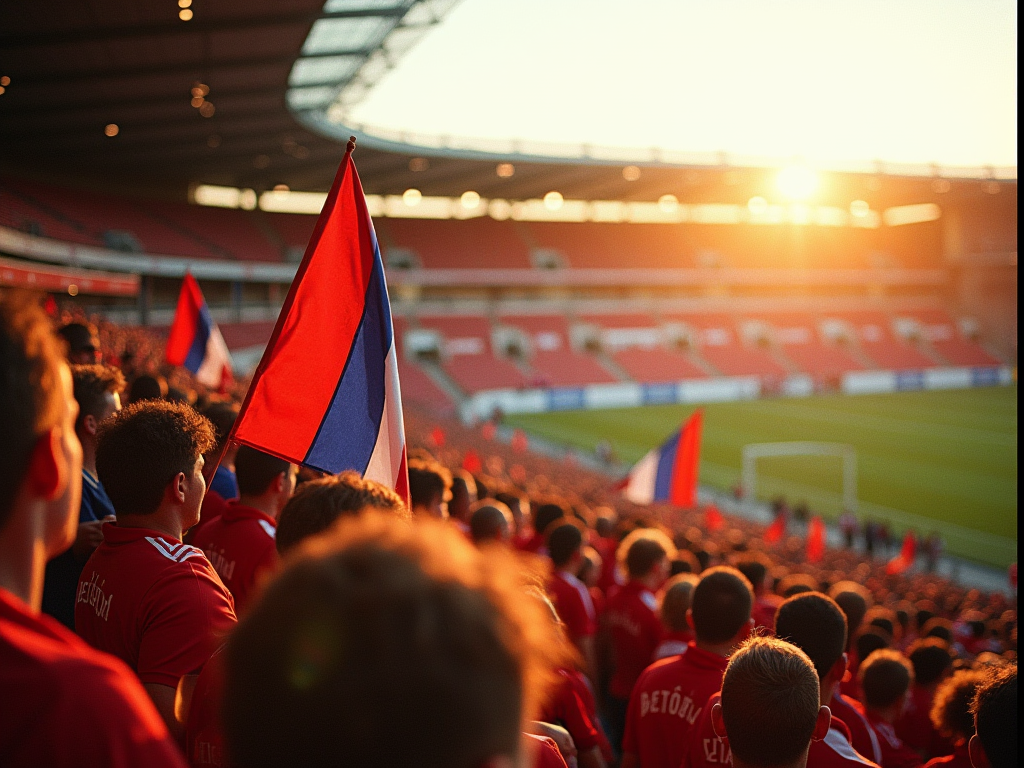
For a Losciste, match day is never just a date on the calendar. It’s a summons, a weekly pilgrimage to the great temple of Northern football: the Stade Pierre-Mauroy. Far from the pitch, it is from the stands that the true soul of Lille OSC is woven, a tapestry of sound and vision orchestrated by thousands of hearts beating in unison. The LOSC supporter culture is not a set of rules carved in stone, but a living force, constantly reinvented, that breathes with every whistle.
The journey begins long before the stadium gates. The boulevards around Villeneuve-d'Ascq gradually come alive. Red and white jerseys stream in, scarves are exchanged, and “Allez les Dogues!” already echoes among friends. These are the first steps of the ritual, familiar preludes that build a palpable anticipation. Gatherings around the concession stands, pre-match “café-foot” discussions – these vanguard moments where tribune strategies are debated as much as those on the field. The atmosphere escalates, fueled by the shared conviction that every supporter has an active role to play.
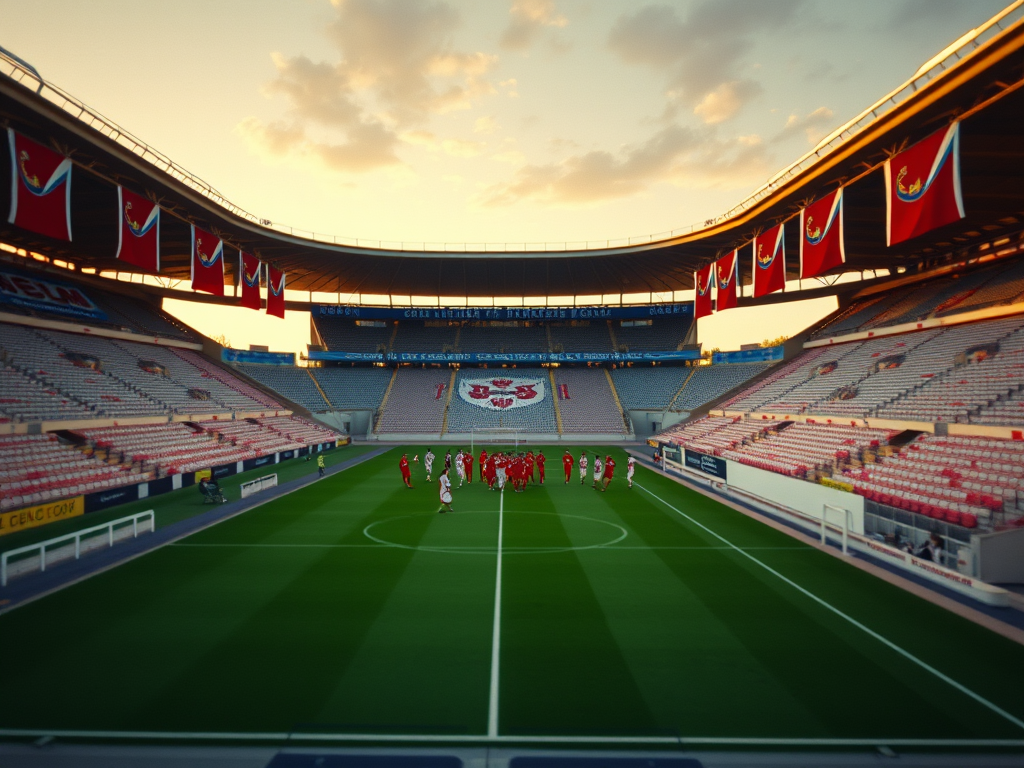
Stepping inside the venue is entering another dimension. The architectural majesty of the Stade Pierre-Mauroy is adorned in red and white. The Tribune Nord, the beating heart of Lille’s kop, is already an ocean of flags, banners, and faces tense with impatience. When the speaker's voice rolls out the names of Les Dogues, each name is greeted by a growing roar, culminating for the captain and the goal-scorers. The anthem resonates, sung in chorus by thousands of chests, a collective roar that signals the imminent kick-off.
From the first passes, the stadium transforms into a living cauldron. The Tribune Nord sets the tempo, with its incessant drums and chants echoed in successive waves through the other stands. “Ici c'est Lille!”, “Allez Lille!” – these shouts are not just simple encouragements, but mantras that galvanize the team and stifle the opponent. Every action is commented on by a murmur, a sigh, then a collective roar. A decisive save from the goalkeeper triggers deafening applause; a goal is an explosion of joy, a ballet of raised arms, and falling confetti. The “ola” sweeps through the stands, a giant serpent symbolizing the unity of the Loscistes.
But it is during the Derby du Nord that this fervor reaches its peak. The atmosphere is electrified, tense, almost palpable. It is no longer just a football match; it is an ancestral encounter, a battle of identities where the stands vie with ingenuity. The tifos unfurled are ephemeral works of art, declarations of love or defiance. The chants are more incisive, more powerful, driven by an unwavering determination to make every square meter of the stadium LOSC territory. The clash of voices, the intensity of glances, the conviction that every shout can sway the course of the game – it is a total sensory experience, an immersion into pure passion.
The final whistle, whether it signifies ecstatic joy or bitter disappointment, never marks the end of the communion. Players salute the stands, and the chants persist, less warlike perhaps, but always imbued with unwavering loyalty. The day's echoes resonate long after the lights have dimmed. It is this continuity, this generational transmission of the red and white flame, that makes LOSC supporters far more than a crowd: they are the constant pulse, the unalterable soul of the club, always ready to shape the next spectacle.